In the Village of Peace, responsibility is not carried alone. Discover how elders, parents, youth and children weave a living network of care across generations.
For more than five decades, we have been mastering the Art of Living in the Village of Peace in Dimona's Negev Desert. Since the first families arrived in 1969, drawing on a vision received in Chicago in 1966, our community has grown into a multi-generational village of roughly 3,000 members across Israel, Africa, the Americas, the United Kingdom and the Caribbean. Through all those years, one conviction has remained at the centre of our daily life: no one is meant to carry their responsibilities alone. We Belong to One Another.
Responsibility Is Not a Private Matter
In many societies, responsibility is understood as something that sits inside a single household. Typically, a pair of adults cares for the children and provides for the home, while elders retire from active life. We have found that this arrangement can leave families stretched thin and elders isolated, while youth grow up with little contact with the wisdom around them.
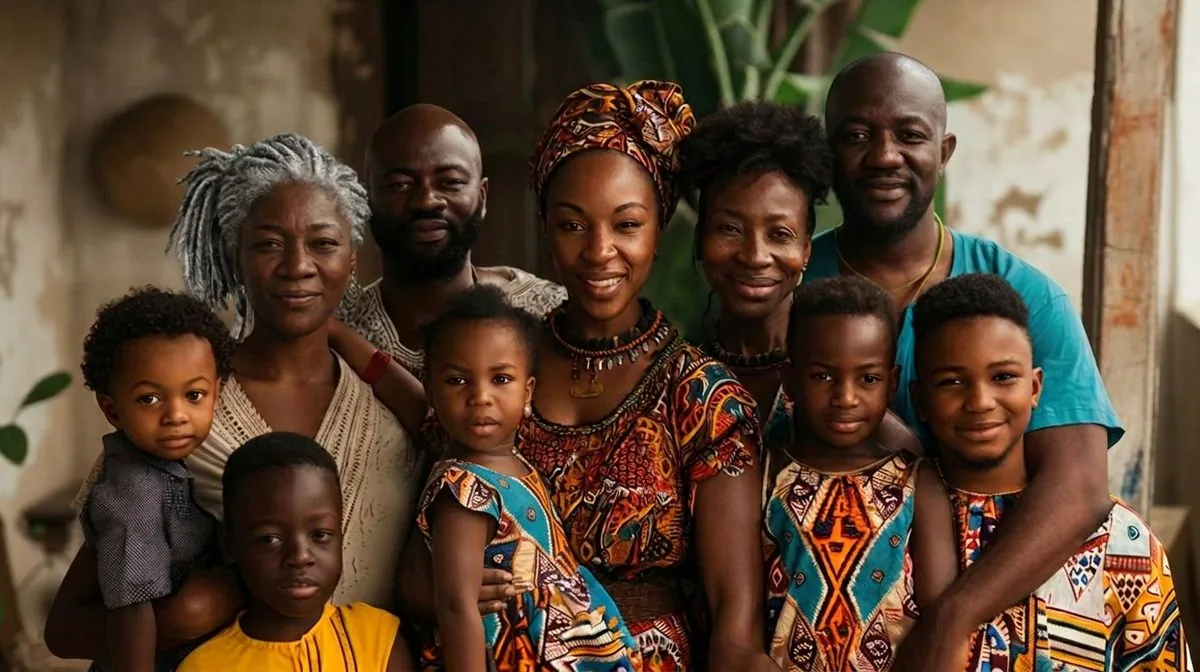
In the Village of Peace, we understand responsibility differently. Our children are not only the concern of their parents; they are the concern of the whole community. Our National Treasures (Elders) are not only honoured within their immediate biological families; we encourage them to be active participants in raising every child. This is what we mean by shared family responsibility: a living network, not a fixed duty assigned to one person.
How Responsibility Flows Across Generations
Responsibility in our community is complementary because it moves in both directions and across every stage of life. Elders offer memory, discipline, skill and perspective that no school or book can fully replace. Parents offer daily presence and the everyday work of feeding, teaching and guiding. Youth bring energy, fresh ideas, digital fluency and, when encouraged, an eagerness that revitalises everyone. Children offer joy, curiosity and a reminder of why the whole effort matters.
This flow is not sentimental; it is practical and circular. A young couple may depend on a grandmother to share the care of an infant during the hours they are working. A teenager may spend an afternoon learning bio-organic gardening from an elder who has worked the soil for forty years. In turn, that young person may help an older neighbour with technology, or accompany them to a community gathering. Responsibility passes from hand to hand, and every generation is both giver and receiver.
Intentional Connection: It Takes a Village
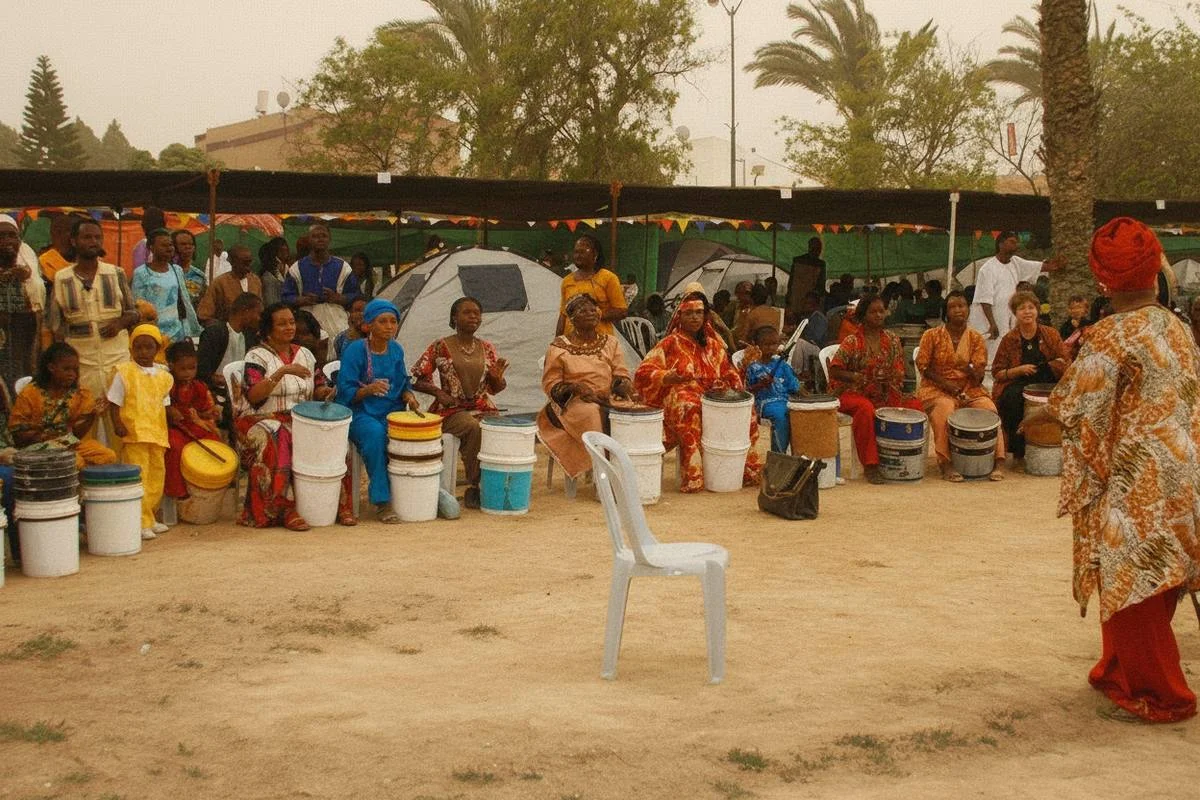
We have also learned that this flow must be intentional. Without deliberate attention, a community can drift into separate age groups that rarely meet. Our festivals, shared family meals and communal work days exist partly to keep the generations in conversation with one another.
The Rockameem Games, our annual fun-filled track and field competition, offer a powerful and innovative example of this through the opening relay. Its twist is that it is not a competitive event, but a unifying one. Each leg hands the baton to the next runner, and the previous runner continues alongside, so that all cross the finish line together. The four legs are the Pioneer or Elder, the Second Generation or Parent, the young adult (youth offspring of the Second Generation), and finally the grandchild.
One Network, Many Hands
When we speak of a support network, we mean something close to the image of a living body. Each part has its function, and each part depends on the others. Our elders are the memory of the community. Our parents are its daily hands. Our youth are its legacy and future leadership. Our children are its heart.
The Five Medicines offer a useful way of seeing how this network cares for one another:
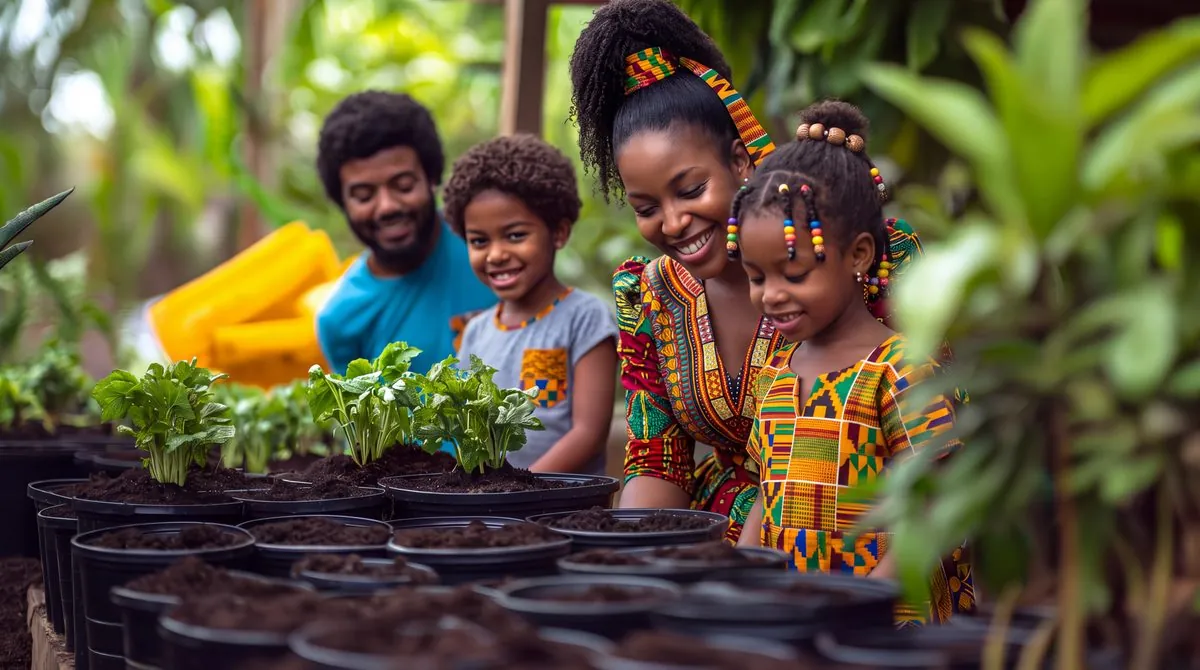
- Food is often prepared and shared communally, frequently using plant-based recipes passed down through our families. Seasonal vegetables are grown by our own hands and made available in our community store.
- Water is valued as the first thing we take each morning, a daily reminder that life depends on what we share.
- Rest is protected. Our community honours the Sabbath, a weekly day of rest that gives every generation time to recover together, and the afternoon break (hapsaka in Hebrew), where practised, is respected as a daily reset.
- Exercise is practised by adults three times a week, while children learn movement, dance and play alongside their parents and elders.
- Cleanliness in home, body and community spaces is something every member contributes to and every member benefits from.
What We Have Found
In our community, we have found that children who are known by many adults grow up with a steadier sense of who they are.
"It takes a village to raise a child."
- - African Proverb*
Elders who are needed live with greater purpose and vitality, because being valued across the generations keeps the spirit strong.
"Taking part in needed and useful work is appropriate for both elders and their relationship to the community."
- - Erik H. Erikson, Joan M. Erikson, and Helen G. Kivnick. *Source
Parents who are supported by their extended family carry less anxiety and more joy, because the weight of raising children is shared rather than borne in isolation.
"If it takes a village to raise a child, it takes a village to support that child's parent."
- - Ann Douglas, Parenting Author & Speaker. *Source
Youth who serve alongside their elders develop the character of servant-leaders, the very ideal the Dedication model of raising a child has always sought to nurture. The Hebrew verb translated as "train up" (chanak) relates to initiating, dedicating, or giving early foundational instruction.
"Train up a child in the way he should go, and when he is old he will not depart from it."
- - Proverbs 22:6*
None of this happens by accident. It is the fruit of more than more than five decades of choosing, again and again, to say yes to one another.
There Are Challenges
Shared responsibility is not without its difficulties. Families grow, needs shift, and not every season is equally generous. Balancing personal time with communal duty requires patience, honest conversation and a willingness to adjust. We do not pretend these tensions away; we bring them into the open and work through them together, trusting that a community which can speak truthfully about its struggles is a community that can keep growing.
Mastering the Art of Living Together
We do not master the Art of Living alone, and we never have. Across more than five decades, our elders have carried us, our parents have held us, our youth have lifted us, and our children have reminded us why we began. As we continue this journey, we hold fast to a truth that has guided every generation of our community: We Belong to One Another, and in that belonging, we are mastering the Art of Living together.
An Invitation to Life Seekers
If you are drawn to a way of life where responsibility is shared and no generation is left behind, we warmly invite you to explore it with us. You may visit Dimona to see how our families live together day by day, join one of our guided tours or immersive workshops, or explore the Village of Peace Marketplace, where the work of our members reaches homes around the world. Whatever path brings you, you will find people who are glad to welcome you and to share what they have learned.
Shalom, and todah rabah (thank you) for reading.
Continue Exploring
Written by
Village of Peace
Village of Peace Dimona